
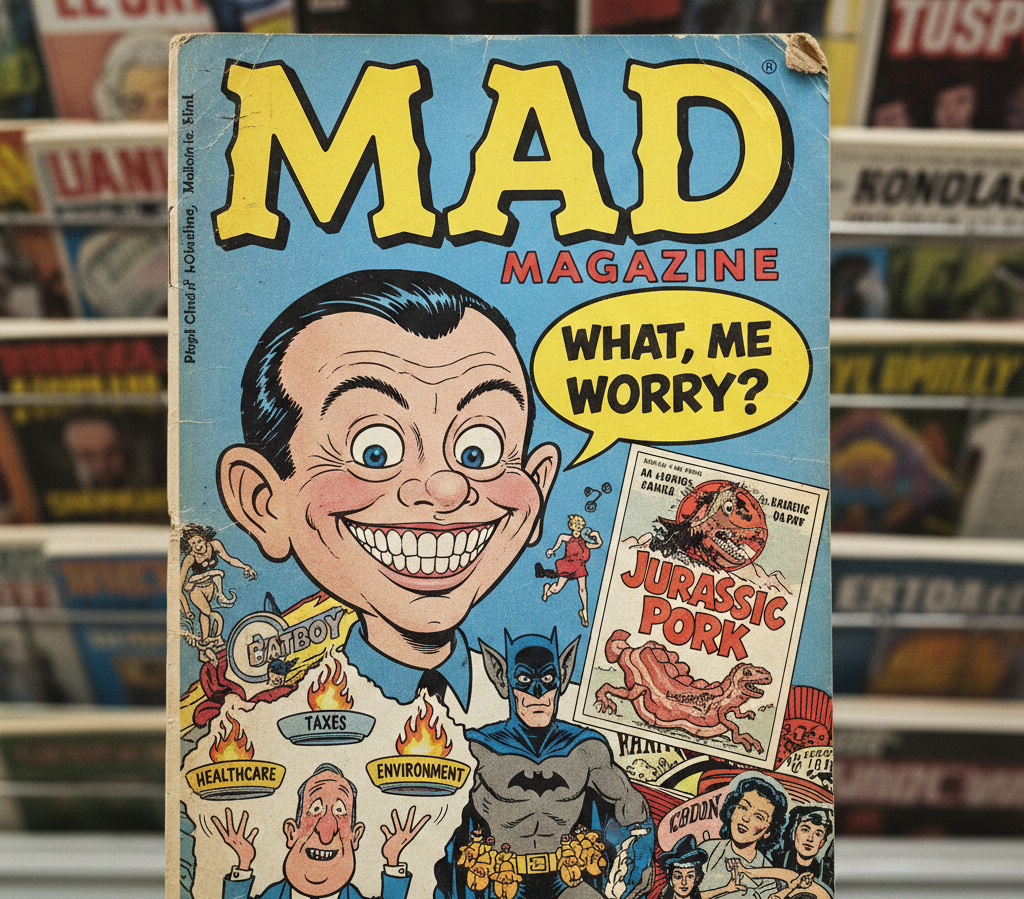

If you grew up with a sense of mischief and a love for satire, chances are Mad Magazine played a part in your childhood—or at least in pop culture around you. From its cheeky parodies to unforgettable characters, Mad Magazine has been a trailblazer in American humor for decades. But what makes this satirical comic so enduring? Let’s dive into its fascinating history, unique style, and lasting influence.
The Origins of Mad Magazine
Mad Magazine first hit newsstands in 1952 as a comic book before transitioning into a magazine format in 1955. Founded by Harvey Kurtzman and published by William M. Gaines, its goal was simple: poke fun at everything from movies and TV to politics and social trends.
Key milestones include:
-
1952 – Debut as a comic book.
-
1955 – Transitioned into magazine format to avoid comic book censorship.
-
1960s–70s – Became a cultural phenomenon with nationwide readership.
The magazine was revolutionary because it treated its readers as intelligent enough to understand satire, making humor smart, irreverent, and sometimes controversial.
What Made Mad Magazine Unique
The Art of Satire and Parody
Mad Magazine’s primary strength was its fearless satire. It poked fun at:
-
Movies and TV shows
-
Celebrities and politicians
-
Social trends and consumer culture
Its signature mascot, Alfred E. Neuman, became the face of cheeky irreverence, with the iconic phrase, “What, me worry?” symbolizing the magazine’s playful approach to serious topics.
Innovative Layout and Visual Humor
Unlike traditional magazines, Mad embraced visual creativity:
-
Comic strips, illustrated features, and fake ads
-
Exaggerated caricatures
-
Multi-panel gags and absurd humor
This combination of smart writing and dynamic artwork helped Mad appeal to both teens and adults, setting it apart from other publications.
Influence on Pop Culture
Mad Magazine’s impact cannot be overstated. Its influence reached beyond print, shaping television, movies, and comedy:
-
Inspired comedians like Jon Stewart, Tina Fey, and Seth MacFarlane
-
Introduced parodies that would later influence TV shows like Saturday Night Live
-
Popularized satirical approaches in advertising and media
Even phrases and references from Mad seeped into everyday language, making it a staple of American cultural literacy.
Challenges and Evolution
Despite its success, Mad Magazine faced challenges:
-
Changing media habits – The rise of digital media reduced magazine circulation.
-
Shifts in humor – Modern audiences often consume satire online rather than in print.
-
Ownership changes – After William Gaines’ death in 1992, the magazine struggled to maintain its original voice.
Yet, Mad persisted, reinventing itself with special editions, collected works, and digital presence to stay relevant.
Why Mad Magazine Still Matters
Even in today’s fast-paced digital age, Mad Magazine remains relevant for several reasons:
-
Timeless humor that blends wit and absurdity
-
A blueprint for modern satire in television, films, and online media
-
A nostalgic connection for generations who grew up reading its pages
For anyone interested in satire, humor writing, or pop culture history, Mad Magazine is more than just a comic—it’s a cultural artifact.
FAQs About Mad Magazine
Q1: When was Mad Magazine founded?
A: Mad Magazine was founded in 1952 as a comic book and became a magazine in 1955.
Q2: Who is Alfred E. Neuman?
A: Alfred E. Neuman is the magazine’s iconic mascot, known for his gap-toothed smile and the catchphrase, “What, me worry?”
Q3: Is Mad Magazine still in print?
A: As of recent years, Mad Magazine has scaled back print editions but continues with special issues, reprints, and digital content.
Q4: Why was Mad Magazine controversial?
A: Its irreverent humor often parodied politicians, celebrities, and societal norms, sometimes leading to public debates about taste and appropriateness.
Q5: How did Mad influence modern comedy?
A: It inspired generations of comedians, writers, and satirical shows by demonstrating how humor can comment on culture and politics effectively.
Conclusion
Mad Magazine is more than a humor publication—it’s a mirror reflecting society through clever satire and unforgettable artistry. From its early comic roots to its enduring influence on modern media, it has left an indelible mark on American culture. Whether you’re a nostalgic reader or a humor enthusiast, exploring Mad Magazine’s legacy is a journey through wit, creativity, and fearless commentary.